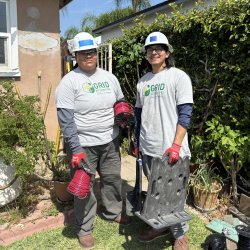
“When I started the program, I didn’t know anything about solar or the materials required to get the job done,” said Karla, a 2026 graduate of GRID Alternatives Southern California’s Installation Basics Training 200 program.
Known as IBT 200, the no-cost program is designed for people interested in beginning a solar career, including those with no previous industry experience. The course includes at least 200 hours of training over five weeks, combining interactive classroom instruction, hands-on lab activities, and experience on real residential solar installations.
With support from GRID SoCal’s Workforce and Construction teams, Karla developed a foundation in the tools, materials, safety practices, and installation methods used in residential solar construction.
The full-scale training roof at GRID’s training center allowed Karla to practice the steps of an installation in a controlled setting. Moving from the training facility to occupied homes, however, brought new conditions and challenges.
“There was still nothing compared to the real-life situations,” Karla said.
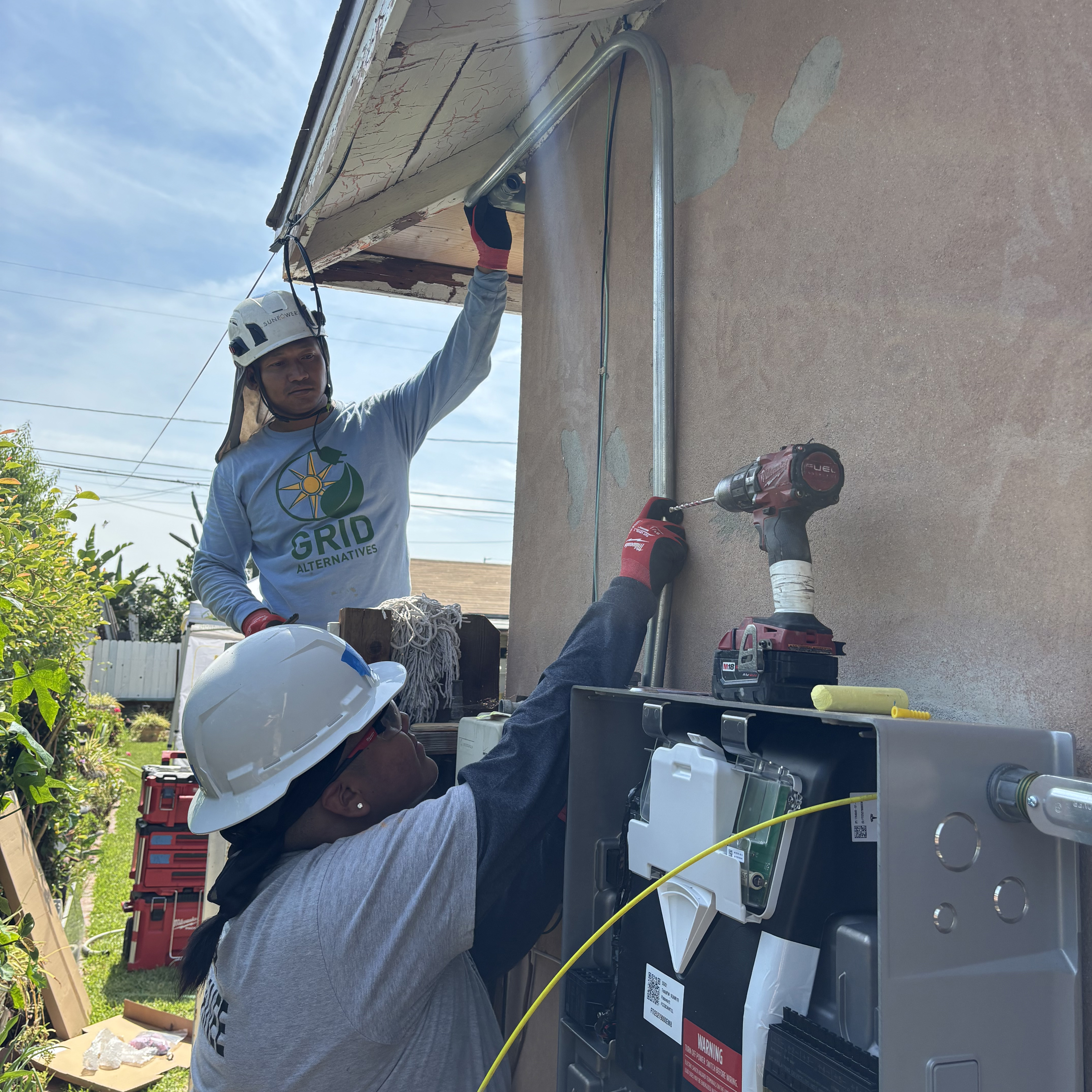
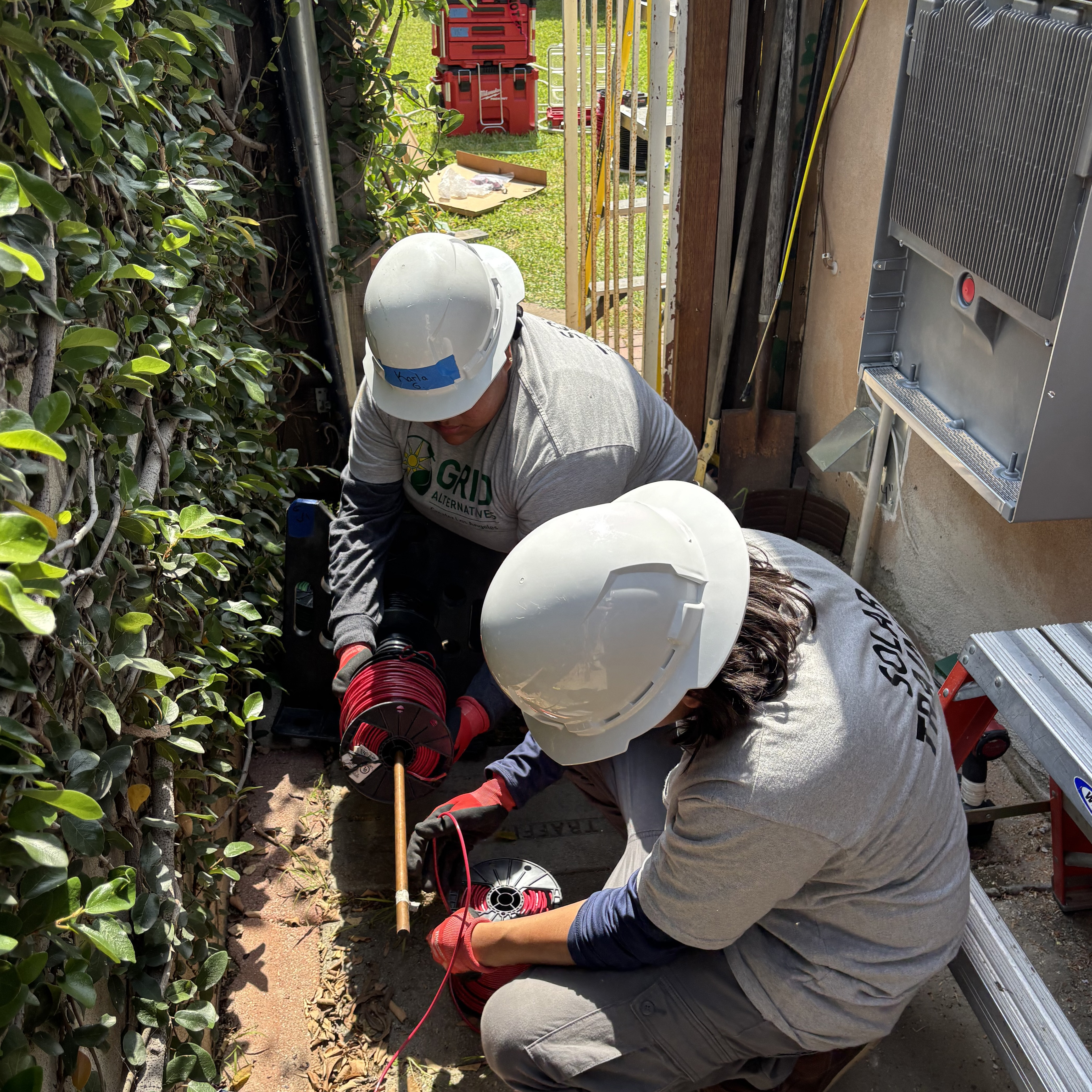
Photos from Karla’s field training show them working alongside fellow trainees and GRID staff, handling wire and conduit, organizing installation materials, and assisting near battery-storage equipment. Residential projects often require crews to adapt to limited working space, existing electrical equipment, varying roof conditions, and the specific layout of each property.
Those field experiences helped Karla connect classroom lessons with the practical demands of an active construction site.
During the program, Karla supported solar installations that included Tesla and Enphase battery-storage systems. This provided exposure to technology that allows households to store energy generated by their solar systems for later use.
Karla also worked alongside GRID’s professional Construction team and observed certified electricians completing essential electrical work. That experience gave them a closer look at how trained crews follow safety procedures, coordinate responsibilities, and complete each stage of a residential installation.
IBT 200’s curriculum is based on the North American Board of Certified Energy Practitioners’ PV Installer Specialist job-task analysis. Training covers construction and electricity fundamentals, worksite safety, solar-array installation, system commissioning, operations and maintenance, and employment readiness. Graduates receive certificates of completion for IBT 200, OSHA 10, and CPR/First Aid training.
The program also helps trainees prepare for employment through résumé development, interpersonal skills training, job-search assistance, and connections with employers. GRID’s goal is not only to teach installation skills, but to help participants enter and remain in the solar workforce.
As the only woman in the cohort, Karla remained focused on learning and making the most of every opportunity.
“I like to learn, and to have this opportunity, I wasn’t going to let it stop me,” Karla said.
Women remain underrepresented in solar construction and other skilled trades. By completing IBT 200 and gaining experience on active installations, Karla hopes their accomplishments will encourage more women to consider careers in the industry.
Karla’s progress also shows that previous solar experience isn’t required to begin developing practical skills. They entered the program unfamiliar with the materials used during an installation. By graduation, they had practiced on GRID’s training roof and contributed to residential projects alongside experienced solar professionals.
Their advice to anyone considering the program is direct.
“Keep showing up every day,” Karla said. “It’s possible to start something new and gain skills and experience.”