The same sun that shines over the hills shines over the hood.
It shines over brownstones, public housing, tribal lands, and every neighborhood block that carries the burden of pollution, high energy costs, and underinvestment.
Clean energy access starts with that simple truth. The sun has never been a barrier. The barrier has been how we steward its power, who gets access to its benefits, and who is asked to wait.
Everything the sun touches is ours to steward: the land, the people, the opportunity. At GRID Alternatives, that stewardship is part of our mission to build community-powered solutions that advance economic and environmental justice through renewable energy. We are bringing clean energy access home.
What Solar Really Powers
We hear communities talk about rising living costs, lack of safe places for children, and growing health concerns. According to the U.S. Energy Information Administration, energy costs account for a significantly higher share of income for low-income households, often three times more than higher-income households, placing added strain on families already facing economic and health challenges.
At the same time, the definition of who is considered “low-income” is shifting, as more families fall into energy burden due to rising costs.
A 2026 report from the American Council for an Energy-Efficient Economy (ACEEE) found that households with incomes below 80% of area median income receive less than half of the benefits of utility energy efficiency programs, despite facing the highest energy burdens, with many spending more than 6% of their income on energy. Clean energy may not be the first solution people think of, but we recognize how deeply these needs are connected.
Behind that number are families making hard choices every month.
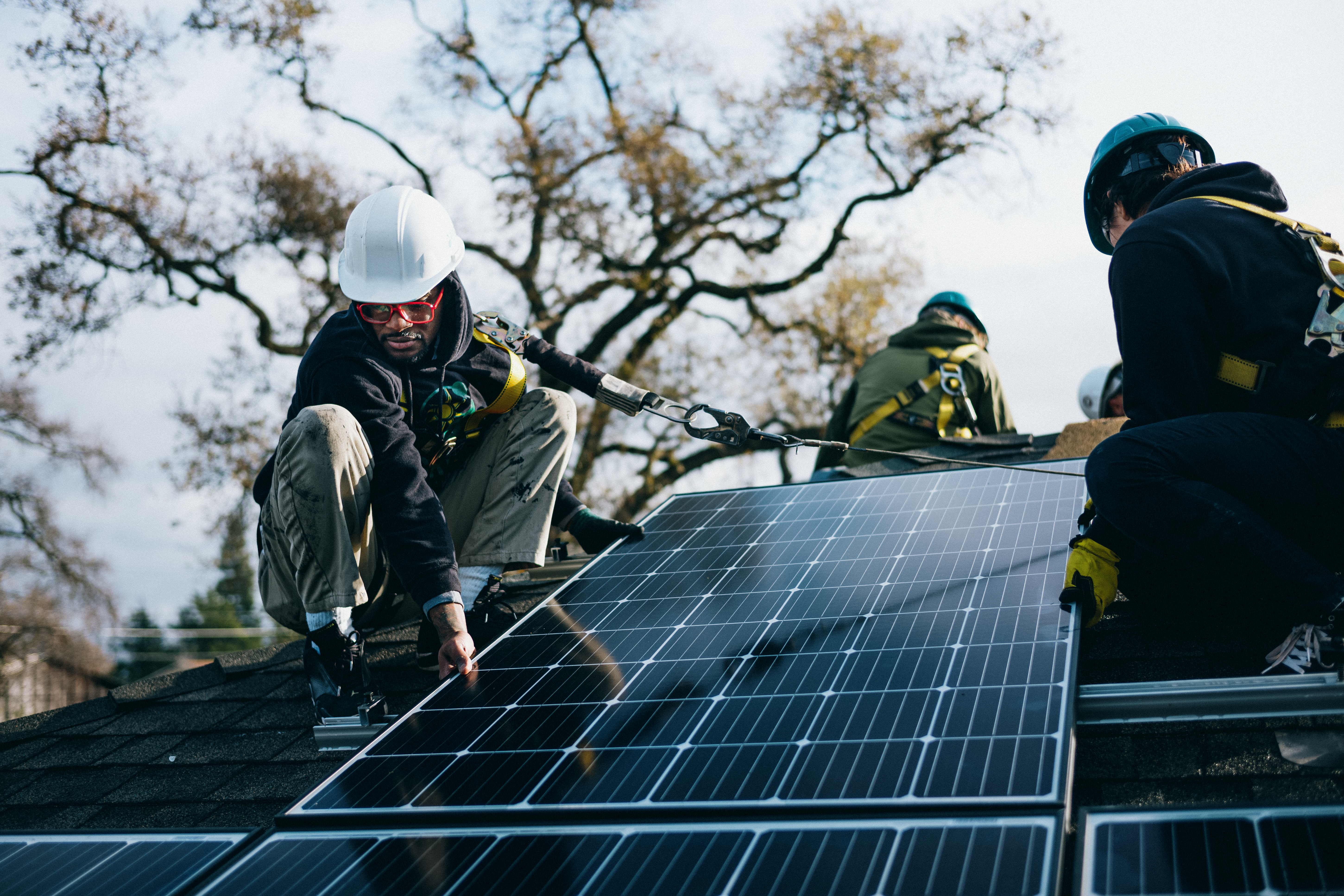
When solar reduces energy costs, supports cleaner air, and creates local workforce pathways, it is not only powering homes, but also quality of life.
A lower energy bill can become a bag of groceries or a second helping at dinner. It can become a “yes” when the ice cream truck rolls around because there’s enough money for both kids to get a treat. It can keep the air conditioning on for a woman experiencing menopause, or a young athlete managing asthma flare-ups between practices.
It can move a family one step closer to life outside of survival mode.
The Tide Turns Because People Turn It
In a conversation with my manager about public funding shifts that have rocked our industry, I said, “The tide will turn, and we’ll be ready.” She replied, “We’re turning it.”
That stayed with me.
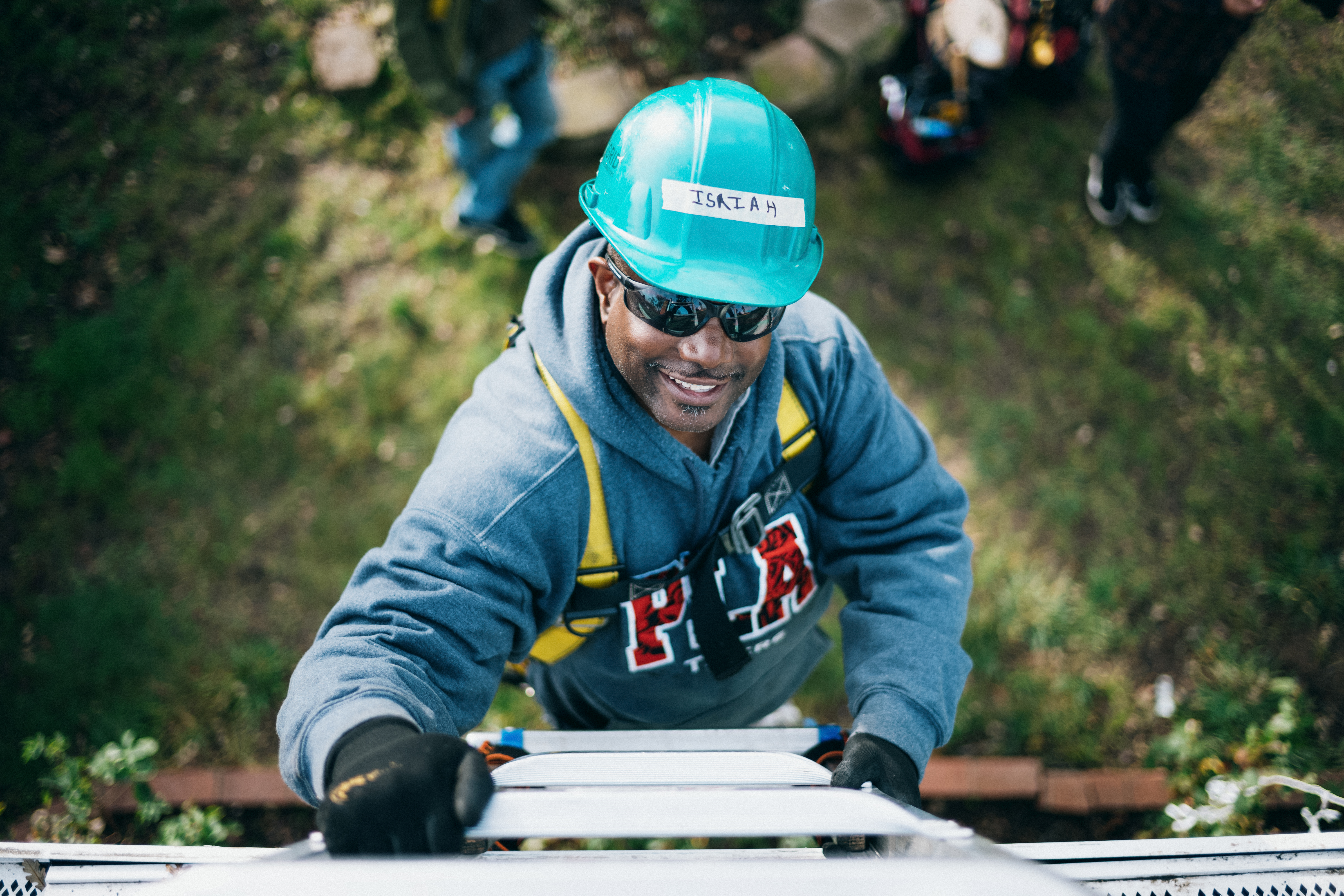
The tide turns because people turn it.
Sectors shift, markets stall, policy changes, but communities still need relief.
Recent solar market data released just this month tells two truths at once. Solar Energy Industries Association (SEIA) reported that in Q1 2026, U.S. solar installations declined from both the previous quarter and the previous year, with community solar seeing one of the sharpest drops. Yet and still, solar and storage accounted for 91% of all new electricity-generating capacity added to the grid.
That means the clean energy future is not theoretical; it is being built and established.
The tide turns when donors activate their power and position to invest in quality of life. It turns when policymakers respond to the people who make up their jurisdictions and remove barriers to clean energy access. It turns when community members are recognized, not as passive beneficiaries, but as priority leaders in the clean energy transition.
The tide turns when we decide that clean energy is now, not next, and that overlooked communities will not be last in line for investment, innovation, or sustainable quality of life.
Growth alone will not bring clean energy access home; stewardship will.
Stewardship is the Work
The sun isn’t short on power, nor does it deny access to a land and people who require it. By design, it generates power for all.
So should we. The land is calling for care. Families are calling for relief. Communities are calling for investment that lasts. We’re turning the tide; will you join us? Donate to GRID and invest in solar power where it’s needed most.
Here, stewardship means helping solar power become a lasting community benefit: lower costs, local jobs, resilience, dignity and joy.
Let us never forget joy.
Author Bio:
Naiyana Williams is a Government Proposal Manager at GRID Alternatives, where she supports funding strategies that advance clean energy access, economic opportunity, and environmental justice.
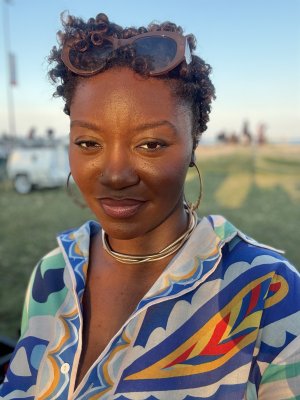
As a writer and strategist, she is especially interested in the lived experience of the communities we serve and championing clean energy access as an aid to a socially sustainable quality of life.